
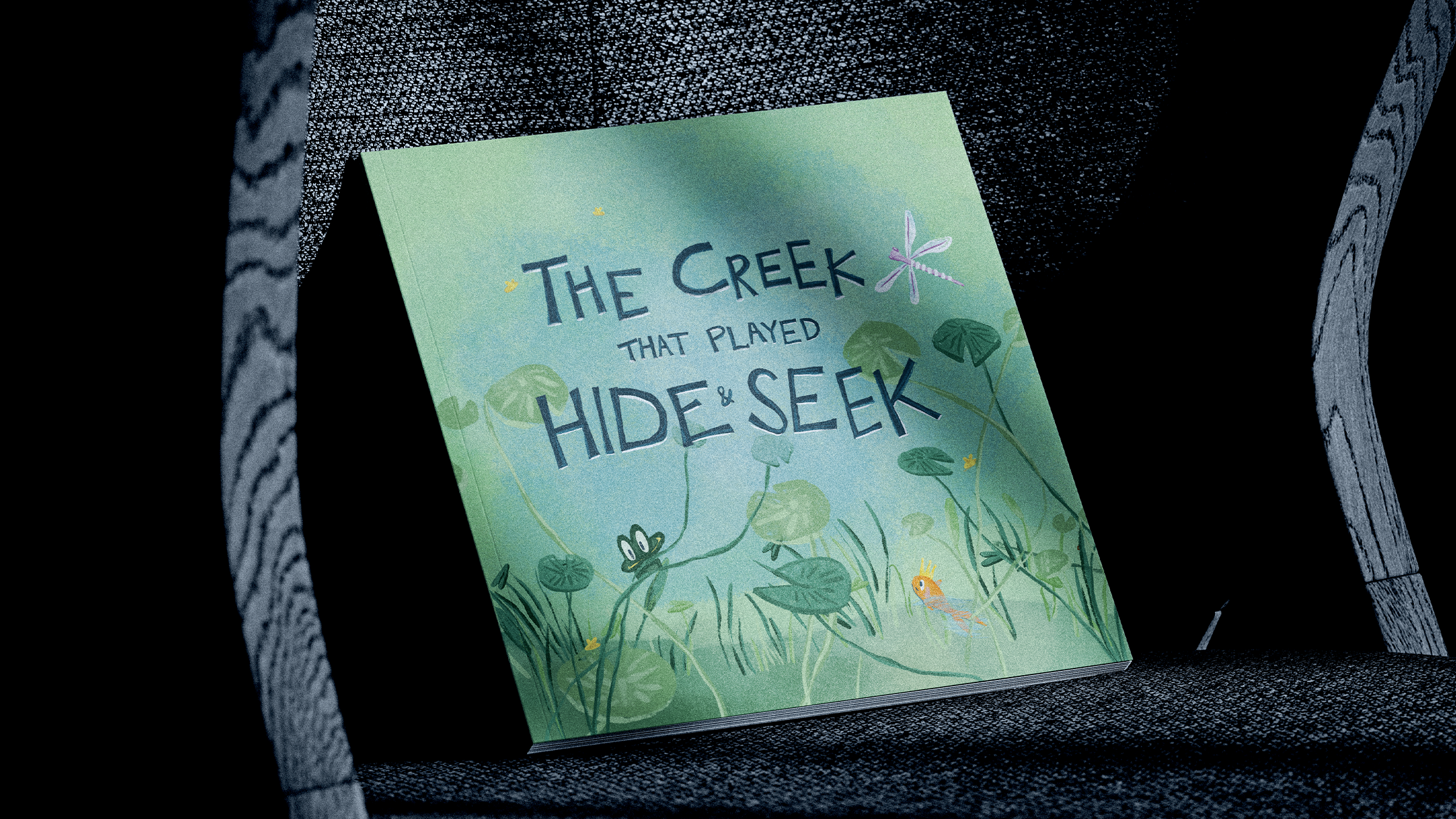
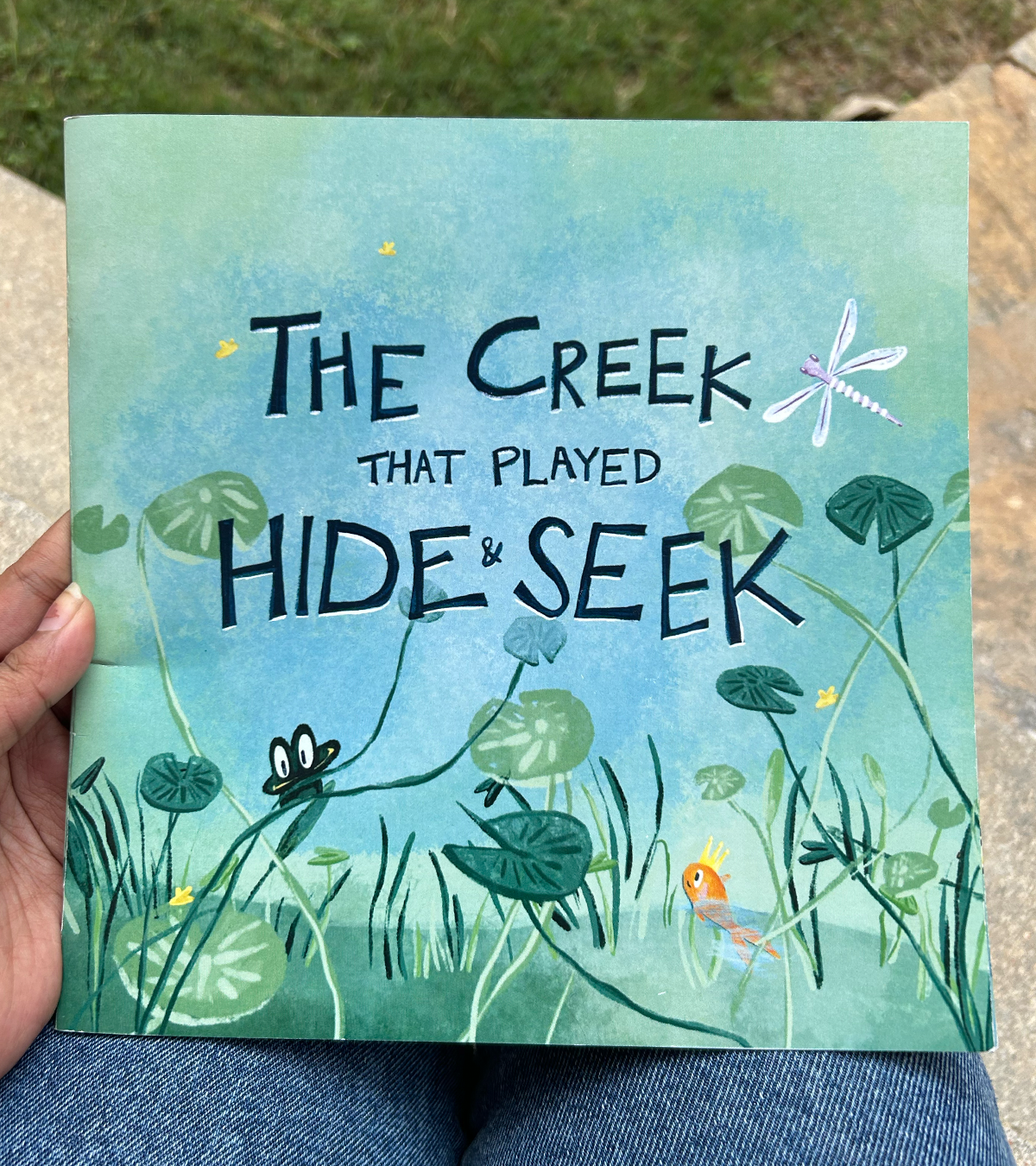
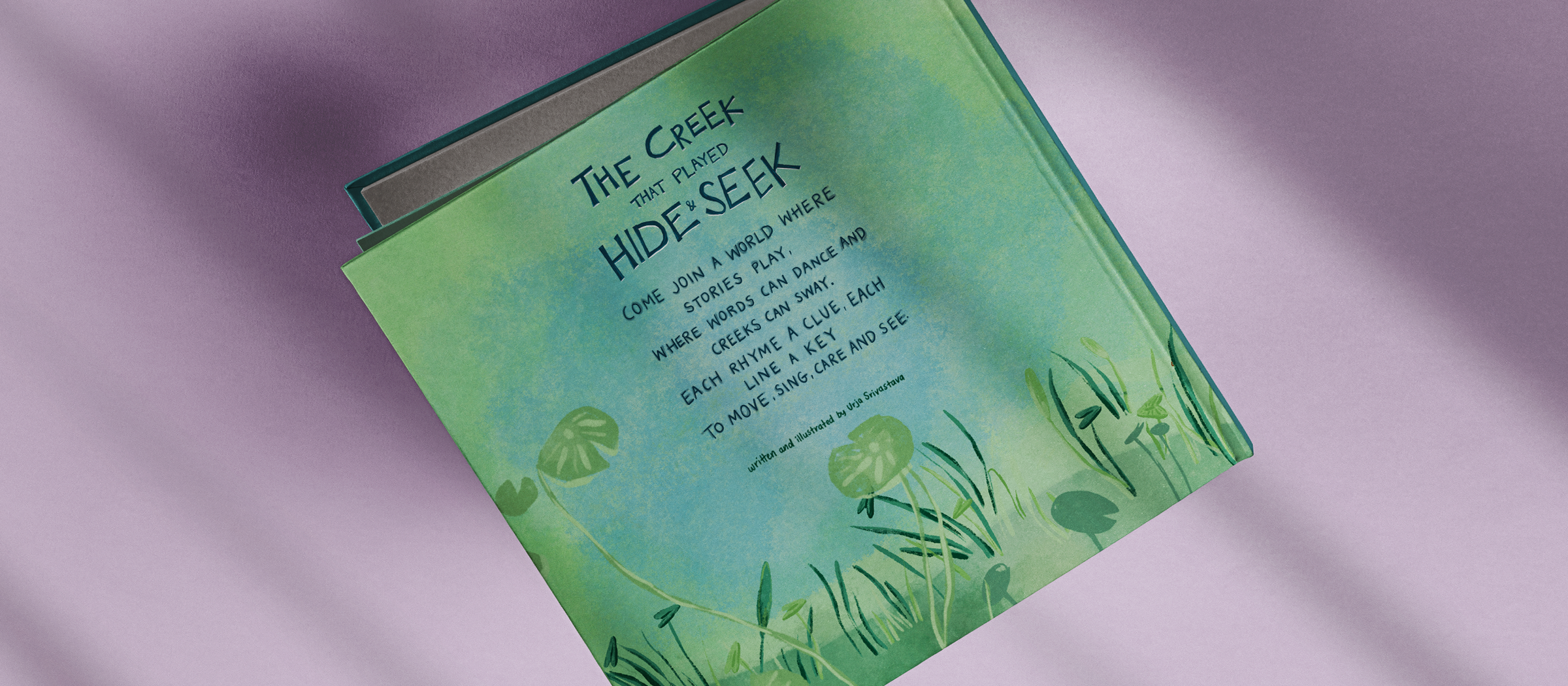
The Creek That Played Hide and Seek
Research · Writing · Illustration · Book Design · Experience Design
An interactive picture book and participatory storytelling experience that reimagines the nursery rhyme Machli Jal Ki Rani through movement, rhythm and collective play.
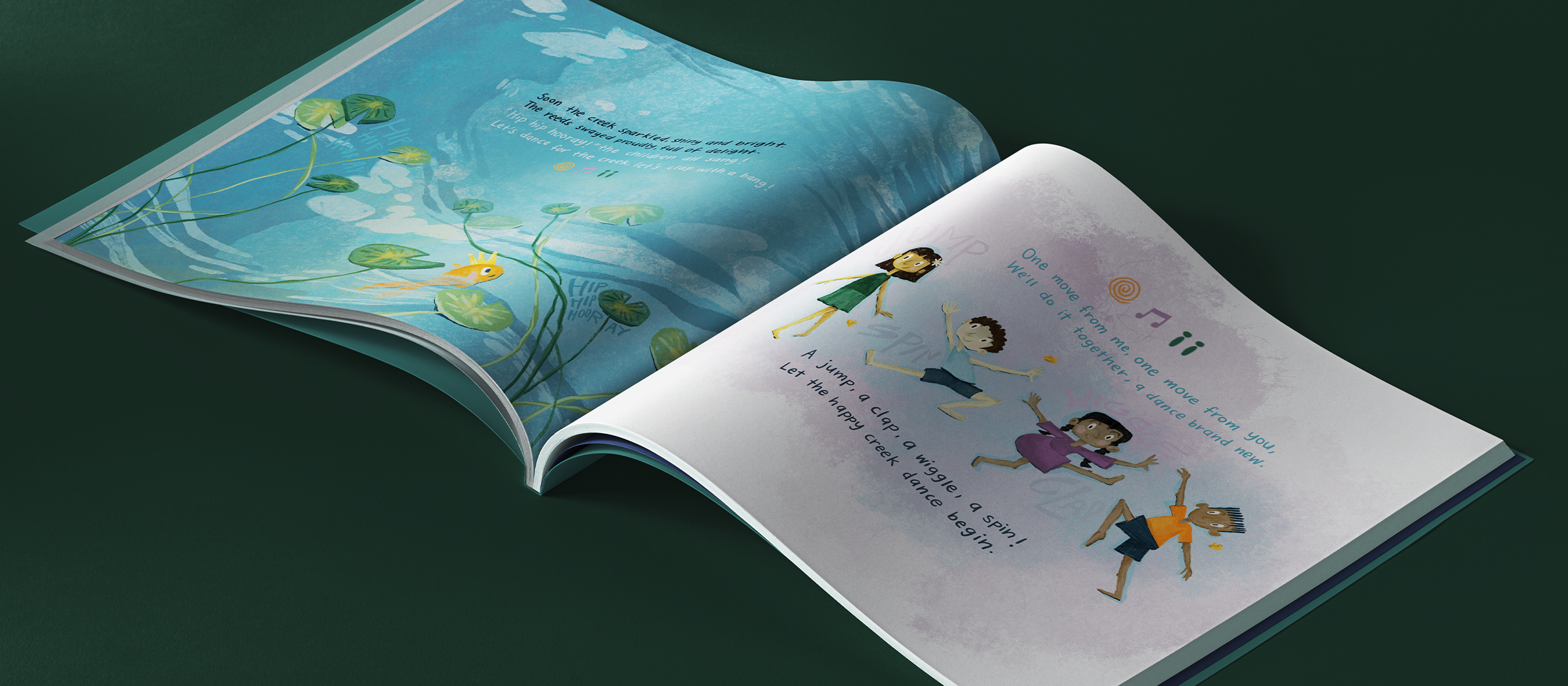
What if stories weren't meant to sit still?
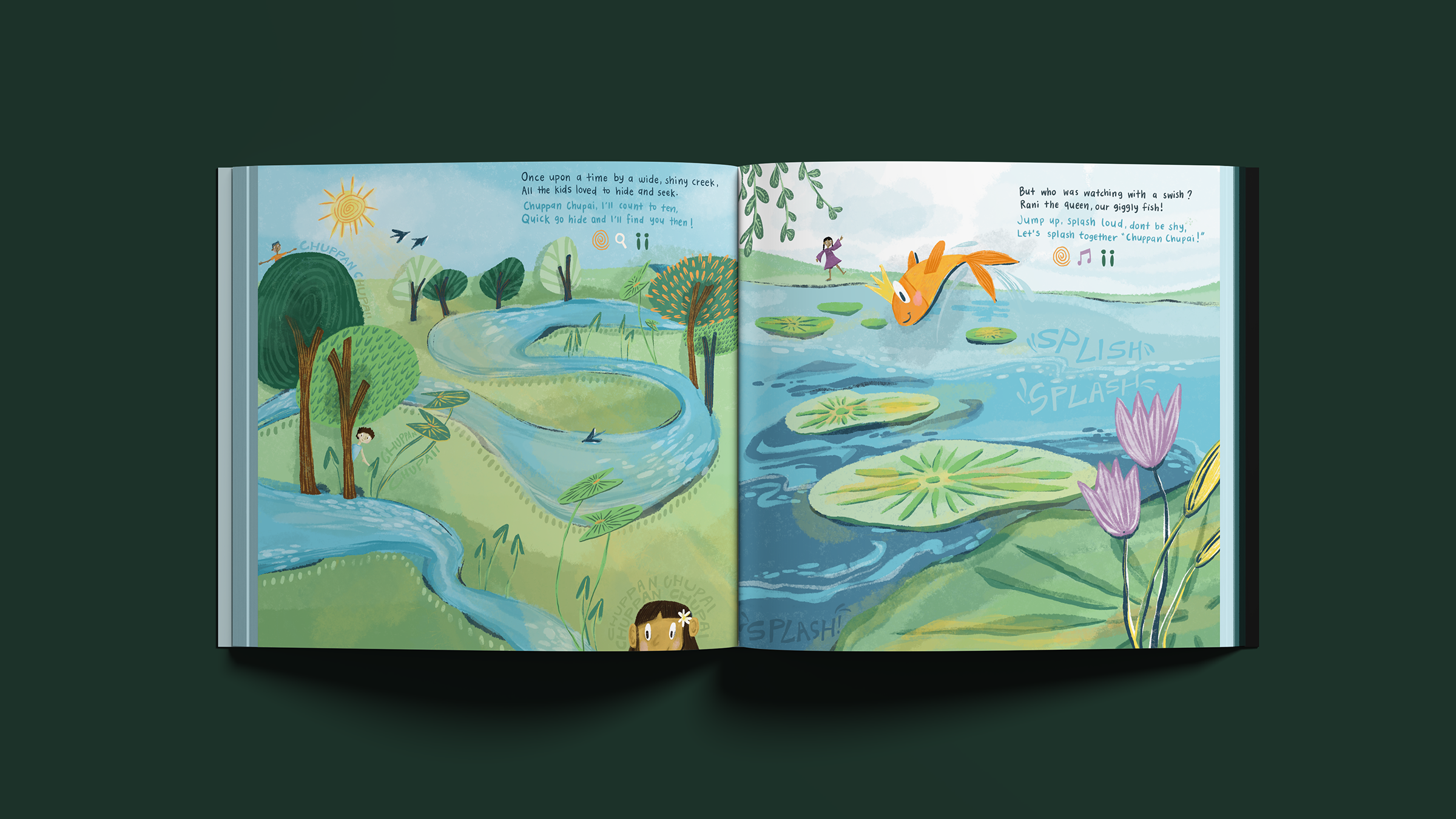
The Creek That Played Hide and Seek began as a small experiment during the development of Heart to Heart. Returning to the familiar rhyme Machli Jal Ki Rani, I began exploring how rhythm, movement and participation could transform storytelling into a shared act of play. What started as a reimagining of a nursery rhyme gradually evolved into an interactive storybook where prompts, gestures and sound cues invite adults and children to build the story together.
Exploration
Drawing from Indian oral storytelling traditions, where stories are sung, acted out and experienced collectively, I explored rhythm, repetition and movement as tools for emotional connection and shared participation. Collaborating with Merchants of Happiness and observing live storytelling sessions at their Little Big Table of Change initiative reinforced a simple insight: children need fewer instructions and more opportunities to participate.
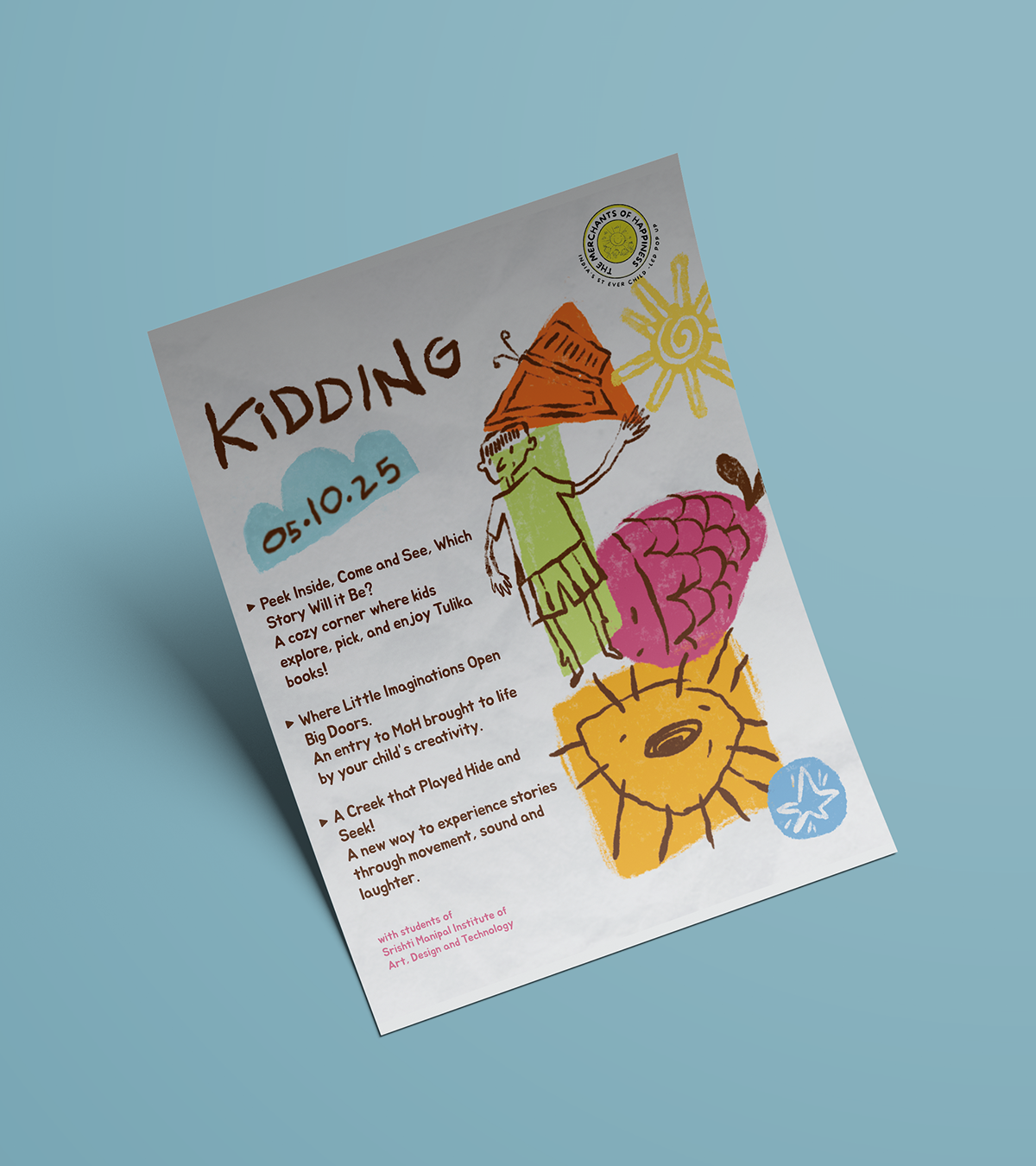
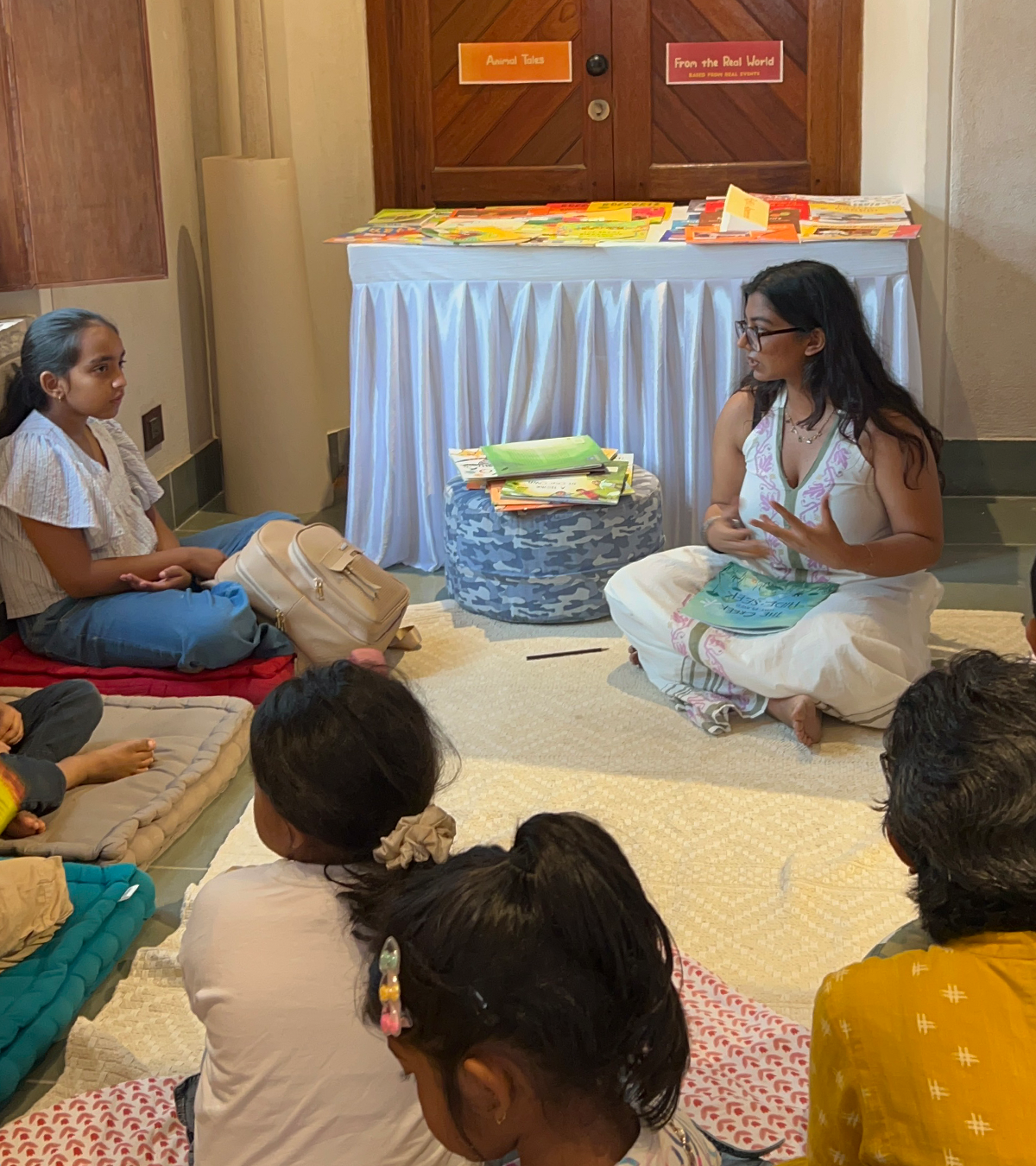
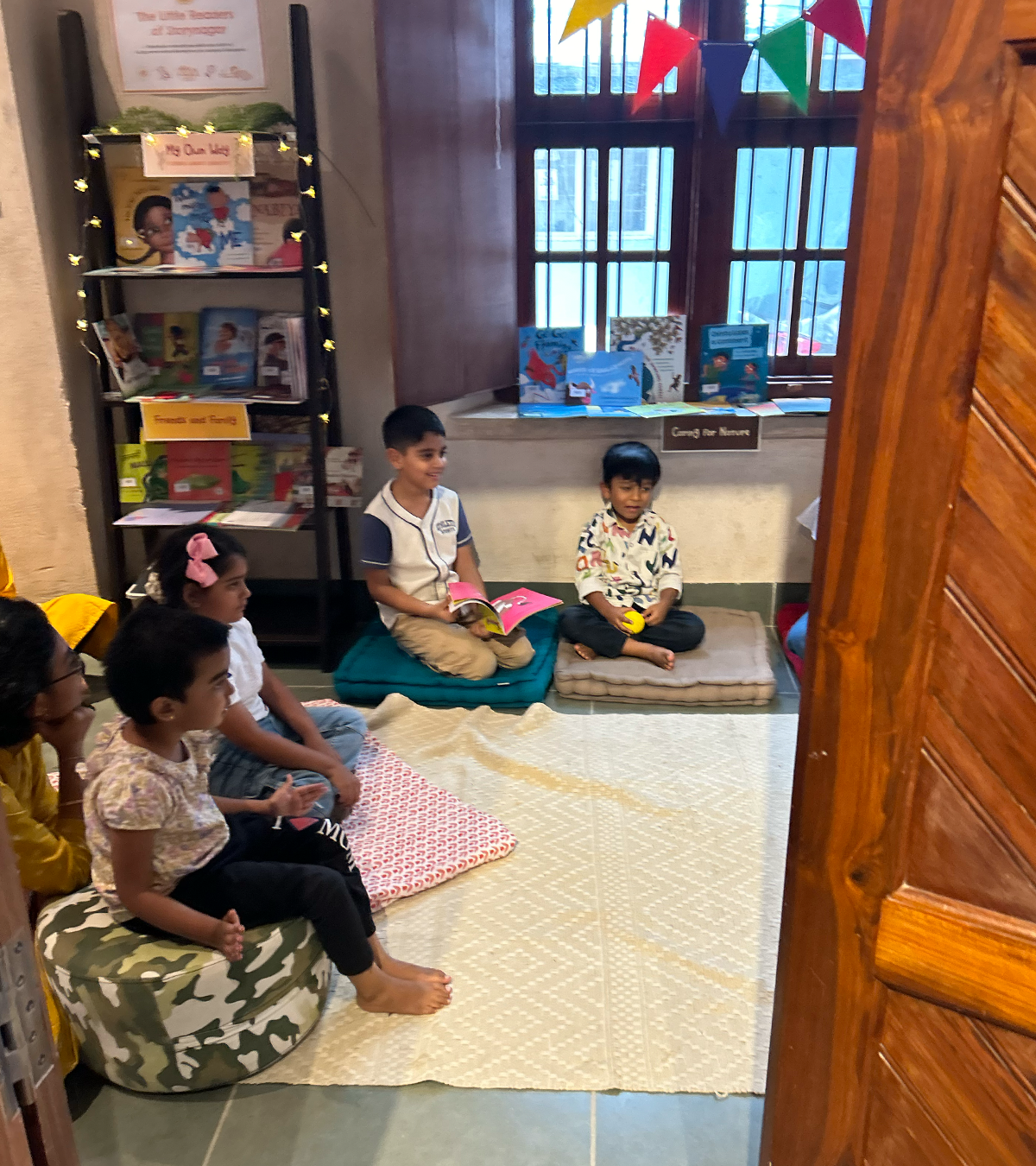
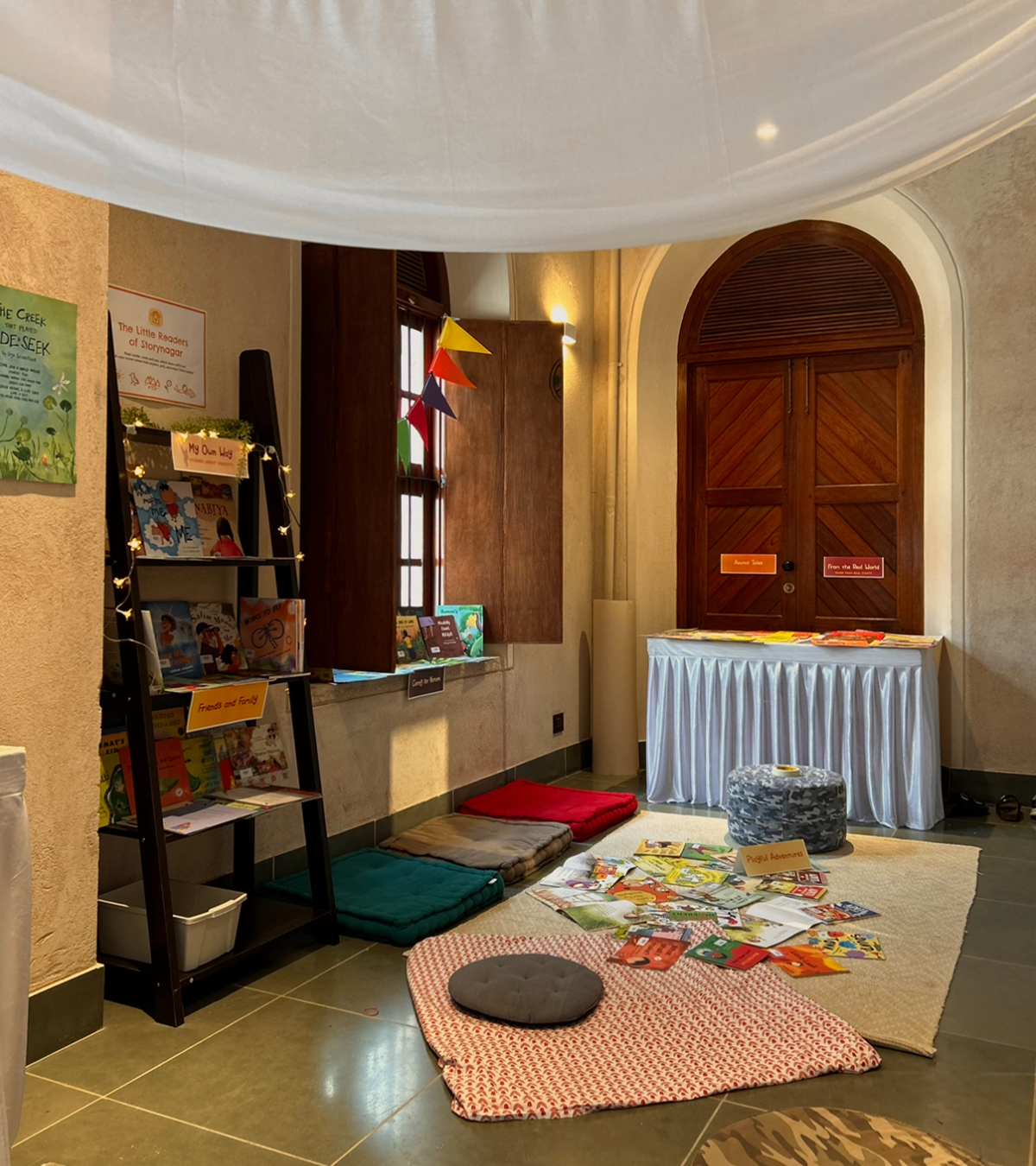
The project was developed through iterative prototyping and live storytelling sessions with children and families at Merchants of Happiness' Little Big Table of Change at Sabha, Bangalore. Rather than testing the story alone, I observed how children naturally responded to rhythm, gesture and sound. These sessions shaped the final experience, helping me refine how prompts could become part of the story itself instead of interrupting it. The result was a storytelling format that feels less like reading to a child and more like creating a story together.
Designing this project shifted my focus from creating stories for children to creating experiences with them.